
Published February 07, 2026
Modern Tools Can’t Access Old Moments: Or Can They?
We live in a world obsessed with the new. The latest smartphone, the fastest internet, the most cutting-edge technology – it’s a constant race to the future. But what about the past? What about the precious memories captured in dusty photo albums, shoeboxes overflowing with prints, and slides gathering cobwebs in the attic? These are the silent witnesses to our lives, the tangible links to our families, our histories, and our identities. And yet, in our rush towards the digital frontier, we often forget that these physical treasures are increasingly inaccessible.
The Digital Divide: Why Old Moments Are Trapped
The problem is multifaceted. Modern tools, while incredibly powerful, often lack the ability to directly interact with these analog artifacts. Consider these challenges:
- Physical Degradation: Paper photographs are fragile. They fade, tear, and succumb to the ravages of time and improper storage. Slides and negatives are even more vulnerable, prone to scratches, dust, and color shifts. Modern digital devices are designed for pristine, digital content, not for handling delicate, aged materials.
- Format Incompatibility: Today's technology thrives on digital files. But old photos exist in a variety of physical formats: prints of various sizes, slides, negatives, and even film strips. Your smartphone can’t directly access a 35mm slide, and your computer can't magically read a faded snapshot.
- Lack of Specialized Equipment: Properly digitizing old photos requires specialized equipment. Flatbed scanners, slide scanners, and negative scanners are essential for capturing these images in a usable format. These tools can be expensive and require a degree of technical expertise to operate effectively.
- Time and Effort: Even with the right equipment, digitizing a large collection of photos is a time-consuming process. Each photo must be scanned, often individually, and then potentially edited to correct for color, contrast, and damage. This can be a significant barrier for many people.
The Perils of Neglect: Why Preserving Old Photos Matters
The consequences of neglecting these physical memories are significant. Unpreserved photos are at risk of complete loss. Fire, flood, or simply the passage of time can render them unreadable. But the loss goes beyond the physical. These photos hold immense sentimental value. They tell stories, connect us to our ancestors, and provide a sense of belonging. They are the visual history of our families and communities.
Consider the stories lost when a photo fades beyond recognition. The faces of loved ones, the details of a family vacation, the milestones of a child's life – all these memories are in danger of disappearing forever. The digital age, with its emphasis on instant gratification, can make it easy to forget the importance of preserving these tangible links to our past.
Bridging the Gap: How to Bring Old Moments into the Modern World
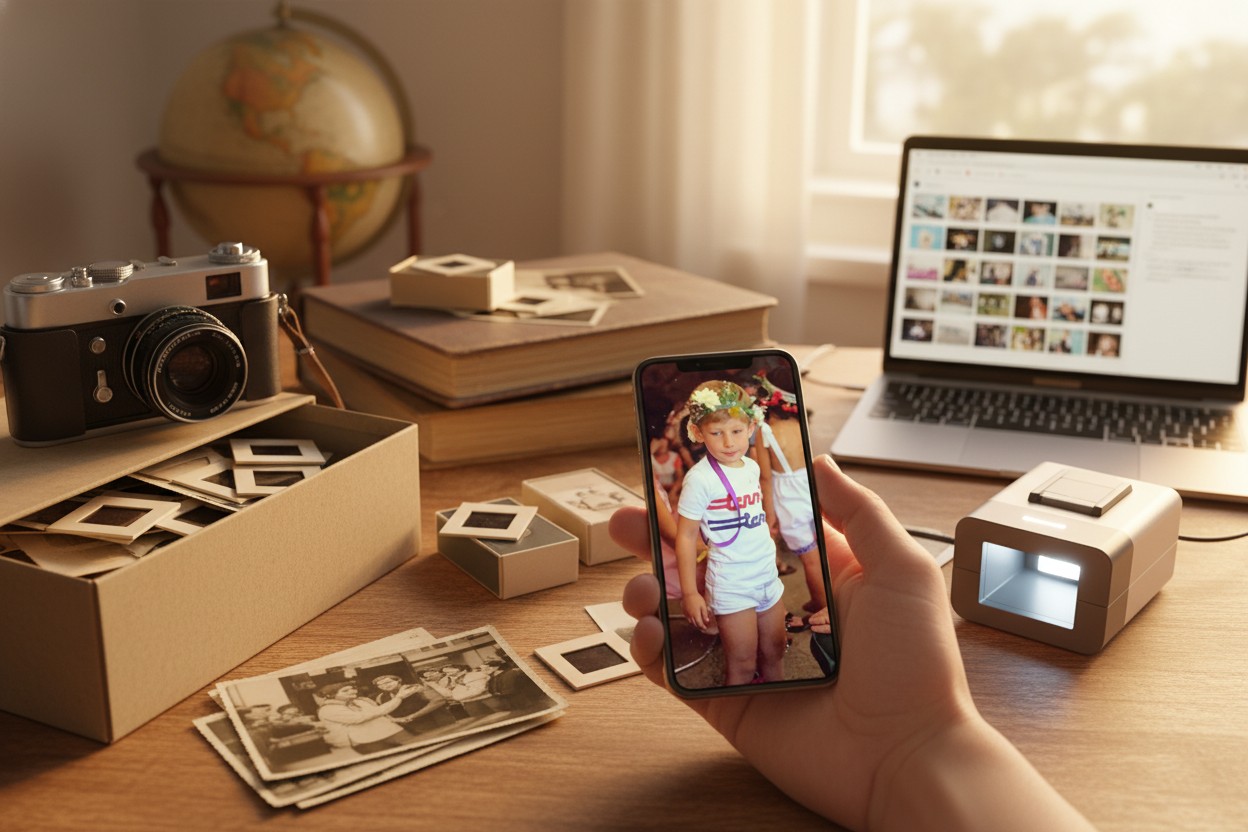
Fortunately, the situation isn’t entirely bleak. While modern tools may not directly access old photos, they can be leveraged to preserve and share them. The key is to find ways to bridge the gap between the analog and digital worlds.
- Digitization is Key: The first step is to convert your physical photos into digital files. This can be done through scanning, using a dedicated photo scanning app, or by hiring a professional scanning service.
- Choose the Right Tools: Select the method that best suits your needs and budget. For large collections, a scanning service might be the most efficient option. For smaller projects, a flatbed scanner or a photo scanning app can be a cost-effective solution.
- Organize and Back Up: Once your photos are digitized, organize them into folders and label them with relevant information. Create multiple backups of your digital files, storing them on external hard drives, cloud storage services, or both.
- Embrace Digital Sharing: Share your digitized photos with family and friends. Create online albums, share them on social media, or send them via email. This allows others to enjoy and connect with your family history.
The good news is that technology *is* part of the solution. Photo scanning apps, for example, have made the process of digitizing photos significantly easier and more accessible. With millions of users and over half a billion images scanned, the Photomyne app is a testament to the scale and stability of these modern tools. They offer a convenient way to scan, enhance, and share your photos directly from your smartphone.
Preserving the Past, Shaping the Future
The challenge of accessing old moments with modern tools is real. But by embracing digitization and utilizing the right technologies, we can ensure that these precious memories are preserved for future generations. It's a journey that requires effort and commitment, but the rewards – the ability to relive the past, connect with loved ones, and build a lasting legacy – are immeasurable. Don't let your family history fade away. Take action today and bring those old moments back to life.