
Published February 07, 2026
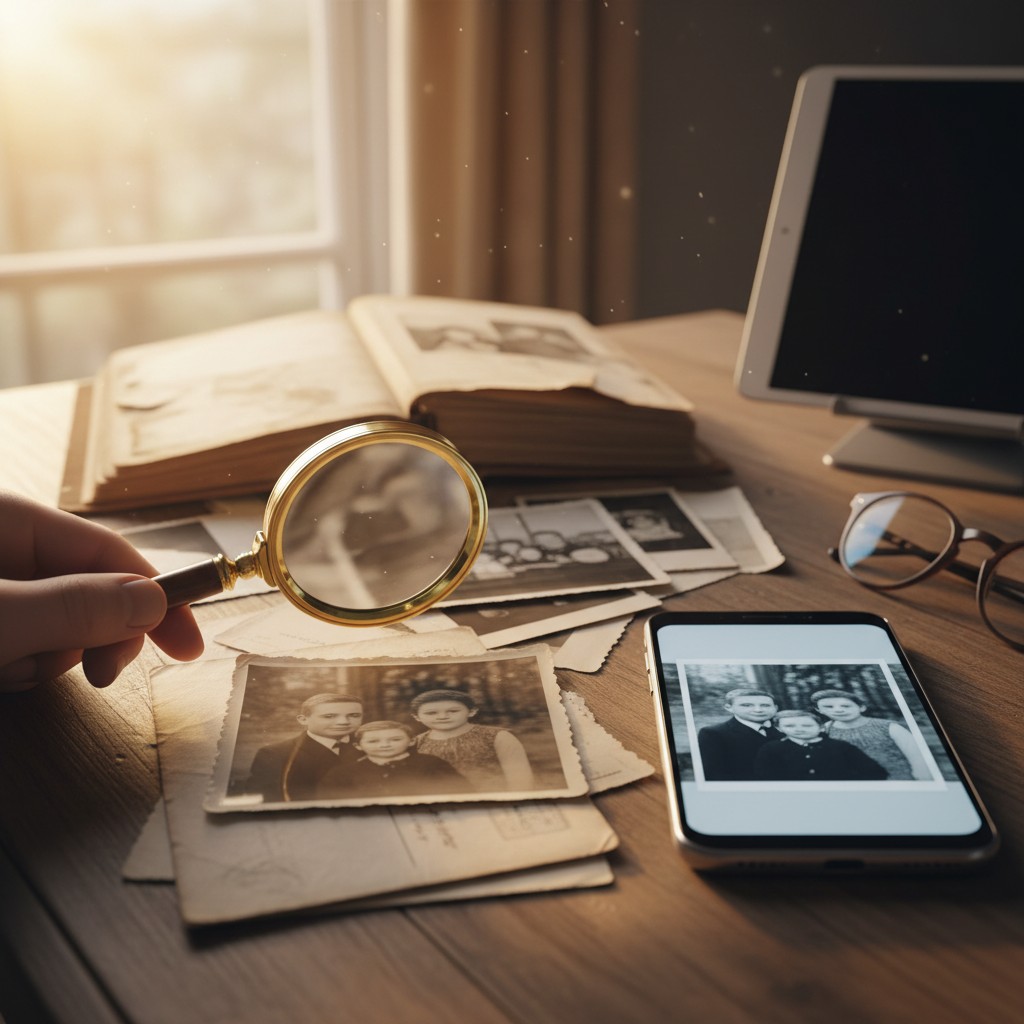
Old Photos Feel Fragile in a Tech-Heavy World
We live in a world saturated with technology. From the smartphones in our pockets to the smart TVs in our living rooms, the digital realm has become an integral part of our daily lives. This constant influx of innovation, however, can create a peculiar sense of fragility, especially when we consider something as precious as our family history, captured in the form of old photographs.
The Paradox of Preservation
It's a strange paradox. Technology, in its relentless march forward, promises to preserve and protect. We back up our data to the cloud, use password managers, and upgrade our devices regularly to safeguard against loss. Yet, when it comes to the tangible remnants of our past – those faded prints, brittle negatives, and aging slides – the feeling of vulnerability is often amplified.
Why is this? Several factors contribute to this sense of fragility:
- Physical Degradation: Old photos are inherently susceptible to damage. Light, humidity, temperature fluctuations, and physical handling can all take their toll. Fading, yellowing, scratches, tears, and mold are constant threats.
- Accessibility Challenges: Finding and accessing old photos can be a real challenge. They're often tucked away in boxes, attics, or basements, making them difficult to locate and enjoy regularly.
- The "Digital Divide" Effect: While we are surrounded by technology, the tools to interact with our physical photo collections may be lacking. We might have a smartphone, but not a scanner. We might be adept at using social media, but unsure how to properly preserve and share our family photos.
- Obsolescence: Technology moves fast. The formats used to store our photos in the past, such as film negatives, slides, and even early digital formats, are becoming increasingly obsolete. Finding the equipment or expertise to view or repair these formats can be difficult and expensive.
- The Fear of Loss: The ultimate fear is the complete loss of these precious memories. A fire, flood, or even simply improper storage can result in the destruction of irreplaceable photographs, leaving a void in our family history.
Embracing the Digital Solution
The good news is that technology also offers powerful solutions to combat this sense of fragility. Digitization is the key. By converting our physical photos into digital files, we can preserve them indefinitely, share them easily, and even restore them to their former glory.
Here's how digitization can help:
- Preservation: Digital copies are immune to the physical degradation that affects prints and negatives. They can be stored securely on multiple devices and in the cloud, creating a robust backup system.
- Accessibility: Digital photos are easily accessible on smartphones, tablets, and computers. You can view them anytime, anywhere, and share them with family and friends across the globe.
- Restoration: Digital image editing software allows you to repair scratches, remove dust, correct colors, and enhance the overall quality of your photos.
- Sharing: Digital photos can be easily shared via email, social media, and online photo-sharing platforms. This allows you to connect with family and friends and share your family history with a wider audience.
- Organization: Digital photo management tools allow you to organize your photos by date, location, people, and events, making it easier to find and enjoy them.
Taking the First Step
The process of digitizing your old photos doesn't have to be daunting. There are several options available, from using a flatbed scanner to employing a smartphone app. The key is to choose a method that suits your needs and budget.
For a quick and easy solution, consider using a photo scanning app. These apps use your smartphone's camera to capture images of your photos. They often include features like automatic cropping, perspective correction, and even AI-powered enhancement tools. For example, Photomyne has helped millions of users scan over half a billion photos, offering a simple and effective way to preserve and share your family history.
No matter which method you choose, the most important thing is to start. Don't let the fear of fragility paralyze you. Take action today to protect your precious memories and ensure that they are enjoyed for generations to come. The digital world, despite its rapid pace, offers a powerful means to safeguard the tangible treasures of our past.