
Published February 07, 2026
Why Do Old Photos Feel More Emotional Today?
We've all been there. Staring at a faded photograph, a sepia-toned image of a smiling face from decades past, and feeling a sudden, unexpected tug at our heartstrings. But why is it that old photos seem to evoke such powerful emotions in us, more so perhaps than even the most poignant images we see today? The answer is complex, a blend of nostalgia, historical context, and the very nature of how we interact with images in a digital age.
The Power of Nostalgia: A Time Machine in Your Hands
At its core, the emotional resonance of old photos is deeply rooted in nostalgia. These images are tangible links to our past, to a time before the present, to people and places that shaped us. They act as miniature time machines, instantly transporting us back to specific moments, triggering memories, and rekindling feelings that might otherwise remain dormant.
Nostalgia, as a psychological phenomenon, is a complex emotion. It's not just about remembering the past; it's about the feeling of longing, of missing something that's gone. Old photos are potent triggers for this longing, reminding us of simpler times, of loved ones who are no longer with us, and of the unique experiences that have shaped our lives. The older the photo, the more likely it is to be associated with a significant period in our lives, intensifying the emotional response.
The Historical Context: A Glimpse into a Different World
Beyond personal memories, old photos offer a fascinating window into the past, providing a glimpse into the lives of those who came before us. They document social customs, fashion trends, technological advancements, and the everyday realities of different eras. This historical context adds another layer of emotional depth to these images.
Consider a photograph from the early 20th century. The clothing, the hairstyles, the settings – all of these elements speak volumes about the time period. They allow us to connect with the past in a tangible way, to understand the challenges and triumphs of previous generations. This historical perspective can be particularly powerful, fostering a sense of connection to our ancestors and a deeper appreciation for the evolution of society.
The Scarcity Factor: Cherishing the Rare Moments
In the digital age, we are bombarded with images. We take countless photos every day, sharing them instantly on social media. This abundance can lead to a certain degree of desensitization. We scroll through endless streams of images, often without truly appreciating the moments they capture.
Old photos, on the other hand, are often rare and precious. They represent a conscious effort to capture a specific moment in time. They were taken with intention, often at significant events or during special occasions. This scarcity makes them feel more valuable, more meaningful. We are more likely to linger over them, to study the details, and to savor the memories they evoke.
The Physicality of the Photograph: A Tangible Connection
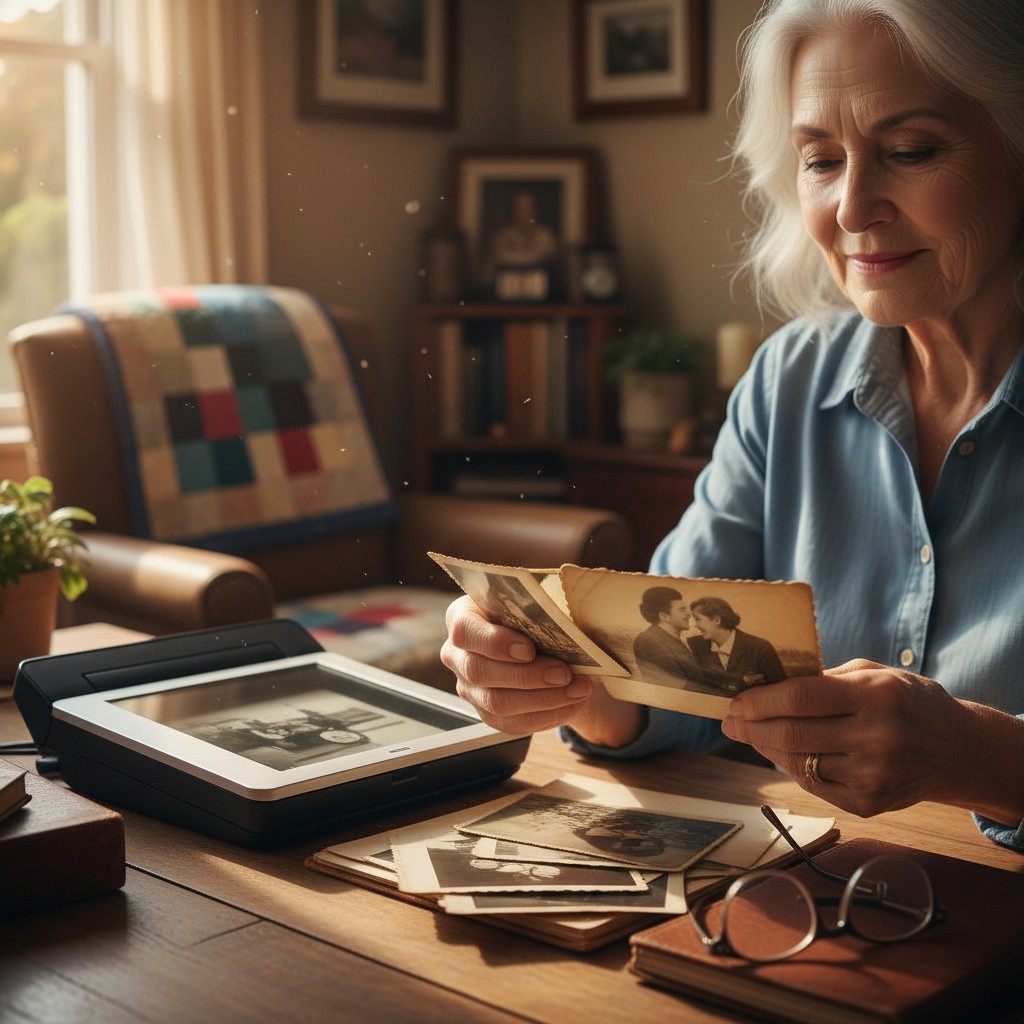
In a world dominated by digital images, the physicality of old photographs is another key factor in their emotional impact. Holding a tangible print in your hands – feeling the texture of the paper, seeing the imperfections, and perhaps even smelling the faint scent of age – creates a more intimate and personal connection.
This physical interaction engages our senses in a way that digital images often cannot. It allows us to feel a deeper connection to the image and to the memories it represents. The act of physically handling a photograph can also be a meditative experience, encouraging us to slow down, to reflect, and to appreciate the moment captured within the frame.
The Evolution of Photography: A Changing Perspective
The technology of photography has evolved dramatically over time. Early photographs, with their longer exposure times and often formal settings, capture a different kind of reality than modern snapshots. They often portray a sense of formality, of deliberate posing, and of a more considered approach to image-making.
This difference in approach can contribute to the emotional impact of old photos. The formality of the images, the careful composition, and the deliberate nature of the moment captured can create a sense of reverence and respect for the subjects and the time period. They offer a glimpse into a different way of life, a different way of seeing the world.
Preserving the Past: The Importance of Digitization
The emotional power of old photos is undeniable, but their fragility is also a concern. Over time, photographs can fade, tear, and deteriorate. Digitizing these precious images is crucial to preserving them for future generations. This process not only protects the physical prints but also makes them easier to share, access, and enjoy.
Thankfully, technology has made it easier than ever to preserve and share your old photos. There are numerous apps and services available that allow you to scan and digitize your prints quickly and easily. One such example is the Photomyne app, which has helped millions of users worldwide scan and preserve over half a billion images. This scale and stability speak to the platform's ability to help people connect to their past.
Conclusion: A Timeless Connection
In conclusion, the emotional impact of old photos is a complex phenomenon, stemming from a combination of nostalgia, historical context, the scarcity of the images, their physical nature, and the evolution of photography. These images serve as powerful reminders of our past, connecting us to our loved ones, to our ancestors, and to the moments that have shaped our lives. By understanding the reasons behind their emotional resonance, we can better appreciate these treasures and ensure that they are preserved and shared for generations to come.