
Published January 21, 2026
Why Old Photos Feel Invisible in a Smartphone World
We live in a world saturated with images. Our smartphones are extensions of our eyes, constantly capturing and sharing moments. But what about the photographs that predate this digital deluge? The ones tucked away in albums, boxes, and drawers – the tangible memories of a different era? Why do these precious relics often feel invisible in our hyper-connected, smartphone-centric world?
The Silent Disconnect: Physical vs. Digital
The primary reason old photos feel invisible is the fundamental difference in how we interact with physical and digital images. Modern life revolves around instant access and effortless sharing. A quick snap, a tap, and your photo is instantly visible to the world. Old photos, however, require a process. They're bound by the limitations of their physical form. They're hidden away, requiring a deliberate effort to unearth, view, and share.
Consider the contrast:
- Digital Photos: Accessible anytime, anywhere, on any device. Easily shared with anyone, instantly.
- Old Photos: Locked away in albums, requiring physical retrieval. Sharing involves scanning, photocopying, or taking a picture of the picture – a cumbersome process.
This disconnect creates a significant barrier. The immediacy of the digital world makes it easy to forget about the tangible memories that exist outside of our smartphones. They become "out of sight, out of mind," fading into the background of our daily lives.
The Challenges of Preservation and Sharing
Beyond accessibility, the very act of preserving and sharing old photos presents significant challenges:
- Deterioration: Time is the enemy of physical photographs. Fading, yellowing, and physical damage are inevitable. Without proper care and preservation, these memories are slowly lost.
- Limited Sharing: Sharing a physical photo is a logistical hurdle. Mailing, hand-delivering, or gathering everyone in one place are the primary options. Digital sharing is vastly easier.
- Lack of Context: Often, old photos lack the accompanying context of the digital age. Who is in the photo? Where was it taken? When? Without this information, the stories behind the images can be lost or forgotten.
- Storage Woes: Storing physical photos takes up space, and organizing them can be a daunting task. The sheer volume of photos accumulated over the years can feel overwhelming.
These challenges contribute to the feeling of invisibility. The effort required to engage with old photos often outweighs the perceived reward, leading them to be overlooked in favor of the instant gratification of digital images.
Bridging the Gap: Bringing the Past into the Present
Fortunately, the digital world offers solutions to bridge the gap and bring these cherished memories back into the light. The key lies in digitizing and organizing your old photos, making them accessible, shareable, and easily preserved.
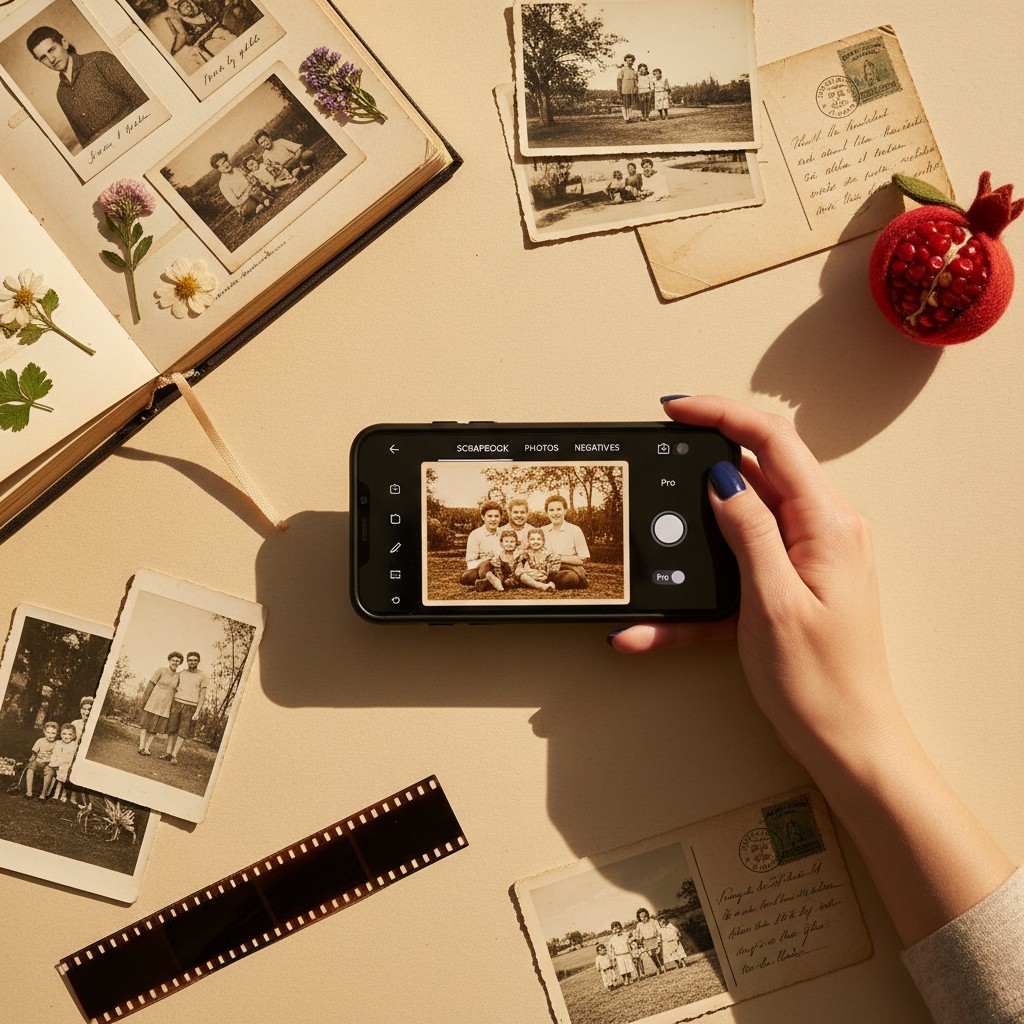
This is where tools like the Photomyne app come into play. Photomyne simplifies the entire process. You can scan multiple photos at once, automatically detect and crop them, and even add context like dates, names, and locations. It’s like having a personal photo restoration and organization assistant right in your pocket. The app not only helps you digitize your photos but also allows you to share them with family and friends, creating a shared experience and keeping those memories alive.
Reclaiming Your History: Making Old Photos Visible Again
Reclaiming the visibility of your old photos is about more than just convenience; it's about preserving your family history, connecting with loved ones, and celebrating the moments that shaped your life. By digitizing and organizing your photos, you transform them from hidden relics into vibrant, accessible memories.
Here's how to make your old photos visible again:
- Gather Your Photos: Start by collecting all your old photos from albums, boxes, and drawers.
- Choose a Digitization Method: Consider scanning, using a flatbed scanner, or using a dedicated app like Photomyne.
- Organize and Label: As you digitize, organize your photos into albums and add relevant information like dates, names, and locations.
- Share and Enjoy: Share your digitized photos with family and friends, and revisit these precious memories regularly.
- Backup Your Photos: Ensure your digital photos are safely backed up to prevent loss.
In a world dominated by fleeting digital images, the stories held within your old photos are more valuable than ever. By taking the time to bring them into the digital age, you ensure that these memories remain visible, cherished, and shared for generations to come.