
Published January 21, 2026
Slides, Negatives, Prints: Why They All Need Different Care
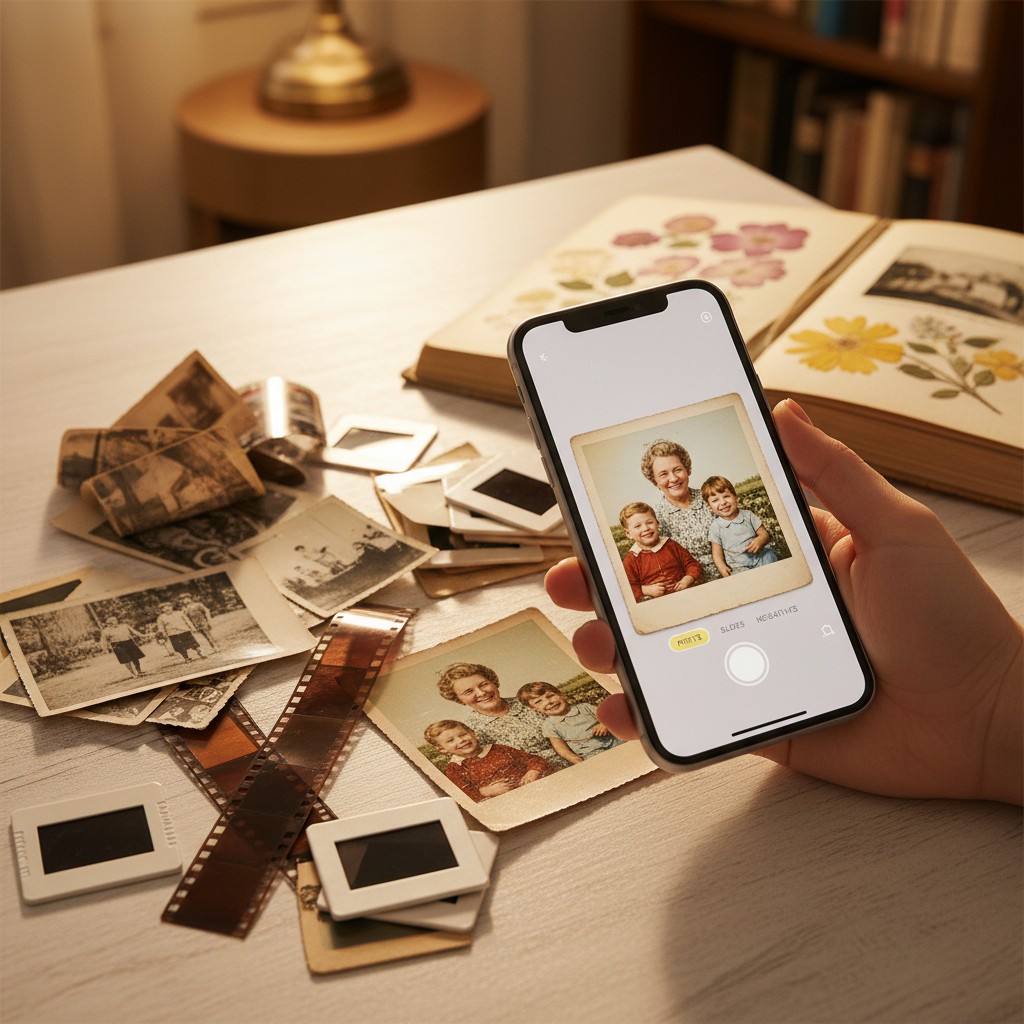
We all cherish our photographic memories. They're windows into the past, capturing moments, people, and places that we hold dear. Whether it's a faded print from your childhood, a box of slides from a family vacation, or a stack of negatives documenting a special event, these physical photographs are precious. But, did you know that each type of photograph – slides, negatives, and prints – requires different care to ensure its longevity? Understanding the unique vulnerabilities of each format is crucial for preserving your precious memories for generations to come.
The Delicate Nature of Slides
Slides, those vibrant little rectangles of transparency, offer a captivating glimpse into the past. They were a popular way to share photos before digital photography took over. However, their construction makes them particularly susceptible to damage. Here's what you need to know:
- Composition: Slides are typically made of a thin plastic or film base coated with an emulsion containing light-sensitive silver halide crystals and color dyes. This emulsion is what captures the image.
- Vulnerabilities:
- Fading: Color dyes in slides are prone to fading over time, especially when exposed to light, heat, and humidity. The blues and yellows tend to fade faster than reds.
- Scratches and Dust: The emulsion surface is delicate and easily scratched. Dust and debris can also cling to the surface, obscuring the image.
- Mold: High humidity and improper storage can lead to mold growth, which can permanently damage the emulsion.
- Warpage: Extreme temperature fluctuations can cause the slide mount and film to warp, making the image blurry or distorted.
- Care Tips:
- Storage: Store slides in a cool, dry, and dark place. Avoid attics, basements, and areas with fluctuating temperatures.
- Containers: Use archival-quality slide storage boxes or sleeves made of acid-free materials. Avoid plastic sleeves that can trap moisture.
- Handling: Handle slides by their edges, using cotton gloves if possible, to avoid fingerprints and scratches.
- Cleaning: Gently dust slides with a soft brush or compressed air. Avoid using harsh chemicals or abrasive cleaners.
The Resilient, Yet Vulnerable, Negative
Negatives, the inverse images that capture the initial photograph, are the building blocks of photographic history. While seemingly more durable than slides, they still require careful handling and storage:
- Composition: Negatives are made of a transparent plastic film base coated with a light-sensitive emulsion containing silver halide crystals. When exposed to light, these crystals undergo a chemical change, creating the negative image.
- Vulnerabilities:
- Scratches: The emulsion surface is vulnerable to scratches, which can appear as white lines on prints.
- Dust and Dirt: Dust particles can adhere to the emulsion, resulting in spots and imperfections on prints.
- Fading: While less prone to fading than slides, negatives can still degrade over time, especially if exposed to heat, humidity, and UV light.
- Chemical Damage: Improper handling or contact with certain chemicals can damage the emulsion.
- Shrinkage/Warpage: Over time, the film base can shrink or warp, particularly if stored in extreme conditions.
- Care Tips:
- Storage: Store negatives in a cool, dry, and dark place. Avoid direct sunlight and extreme temperatures.
- Sleeves: Use archival-quality negative sleeves made of acid-free materials. These sleeves protect the negatives from dust, scratches, and fingerprints.
- Handling: Handle negatives by their edges, using cotton gloves if possible. Avoid touching the emulsion surface.
- Cleaning: Gently dust negatives with a soft brush or compressed air. Avoid using harsh chemicals or abrasive cleaners.
The Familiar Faces: Prints and Their Preservation
Prints, the tangible photographs we often display and share, are perhaps the most familiar format. However, they are also susceptible to damage, requiring careful attention to ensure their longevity:
- Composition: Prints are typically made of photographic paper coated with a light-sensitive emulsion. The image is formed when light interacts with the emulsion during the printing process.
- Vulnerabilities:
- Fading: Color prints are particularly susceptible to fading, especially when exposed to light, heat, and humidity.
- Yellowing: Over time, the paper itself can yellow, especially if exposed to acidic environments.
- Scratches and Damage: Prints are easily scratched, torn, or damaged by handling.
- Stains and Fingerprints: Fingerprints and spills can permanently damage the image.
- Environmental Damage: Moisture, mold, and insect infestations can cause significant damage.
- Care Tips:
- Storage: Store prints in a cool, dry, and dark place. Avoid direct sunlight and areas with high humidity.
- Containers: Use archival-quality photo albums, boxes, or sleeves made of acid-free materials.
- Handling: Handle prints by their edges, using clean hands or cotton gloves.
- Display: When displaying prints, use UV-protective glass or acrylic frames. Avoid direct sunlight.
- Cleaning: Gently dust prints with a soft brush. Avoid using water or harsh chemicals.
Digitization: The Key to Preservation and Sharing
Regardless of the format, the ultimate key to preserving your photographic memories is digitization. Converting your slides, negatives, and prints into digital files creates a lasting backup and allows you to easily share your photos with family and friends. This is where modern technology comes to the rescue. One of the best ways to achieve this is with a dedicated app like Photomyne.
Photomyne offers a user-friendly and efficient way to scan and digitize your photos. Simply place your photos on a surface, use your smartphone's camera, and the app will automatically detect the images, crop them, and enhance them. It's a quick, easy, and effective way to preserve your precious memories for future generations. The app also offers features like color restoration, allowing you to breathe new life into faded images.
By understanding the unique vulnerabilities of slides, negatives, and prints, and by taking the necessary steps to care for them, you can ensure that your photographic memories remain vibrant and accessible for years to come. And, by digitizing them with an app like Photomyne, you can safeguard them against the ravages of time and share them with the world.