
Published January 04, 2026
Remember When Photos Only Existed on Film?
Ah, the good old days. Or perhaps, the days of slightly less instant gratification. Remember when capturing a moment meant loading a roll of film, carefully composing your shot, and then… waiting? Waiting for the roll to be filled, waiting for it to be developed, and finally, waiting to see if your precious memories had actually been captured in focus, with the right lighting, and without a rogue thumb obscuring the view.
It's a stark contrast to today's world of instant digital photography. We snap, we share, we delete, we retake. But let's take a moment to reminisce about the era when photos only existed on film. It was a different kind of magic, a slower, more deliberate process that fostered a unique appreciation for the art of photography and the preciousness of each captured moment.
The Ritual of Film Photography
The entire experience was a ritual. Buying a roll of film, selecting the right ISO for the conditions, the satisfying click of the shutter, the whir of the film advancing. Each frame was a precious commodity, encouraging us to be more mindful of what we were capturing. We didn't just snap away; we considered the composition, the lighting, and the story we wanted to tell.
Then came the anticipation. The weeks (or days, if you were lucky enough to have a one-hour photo lab nearby) spent waiting for the film to be developed. The excitement of picking up the envelope, carefully pulling out the prints, and finally seeing the images that would forever preserve those memories.
The Tangible Treasures
Film photography created tangible treasures. Physical prints that could be held, shared, and displayed. Albums filled with carefully curated photographs, each one a portal back to a specific moment in time. These weren't fleeting digital files; they were lasting keepsakes, passed down through generations.
These physical photos had a certain quality. The grain, the colors, the imperfections – all contributed to a unique aesthetic that digital photography, with its pursuit of perfect clarity, sometimes lacks. There was a certain charm to the slightly faded colors of an old photograph, a testament to the passage of time and the enduring power of memory.
The Challenges of the Past
Of course, film photography wasn't without its challenges. The cost of film and development, the uncertainty of the results, the limited number of shots per roll – all these factors added to the pressure. And then there was the issue of preservation. Over time, prints could fade, become damaged, or be lost altogether. Storing them safely was a constant concern.
Bringing the Past into the Present with Photomyne
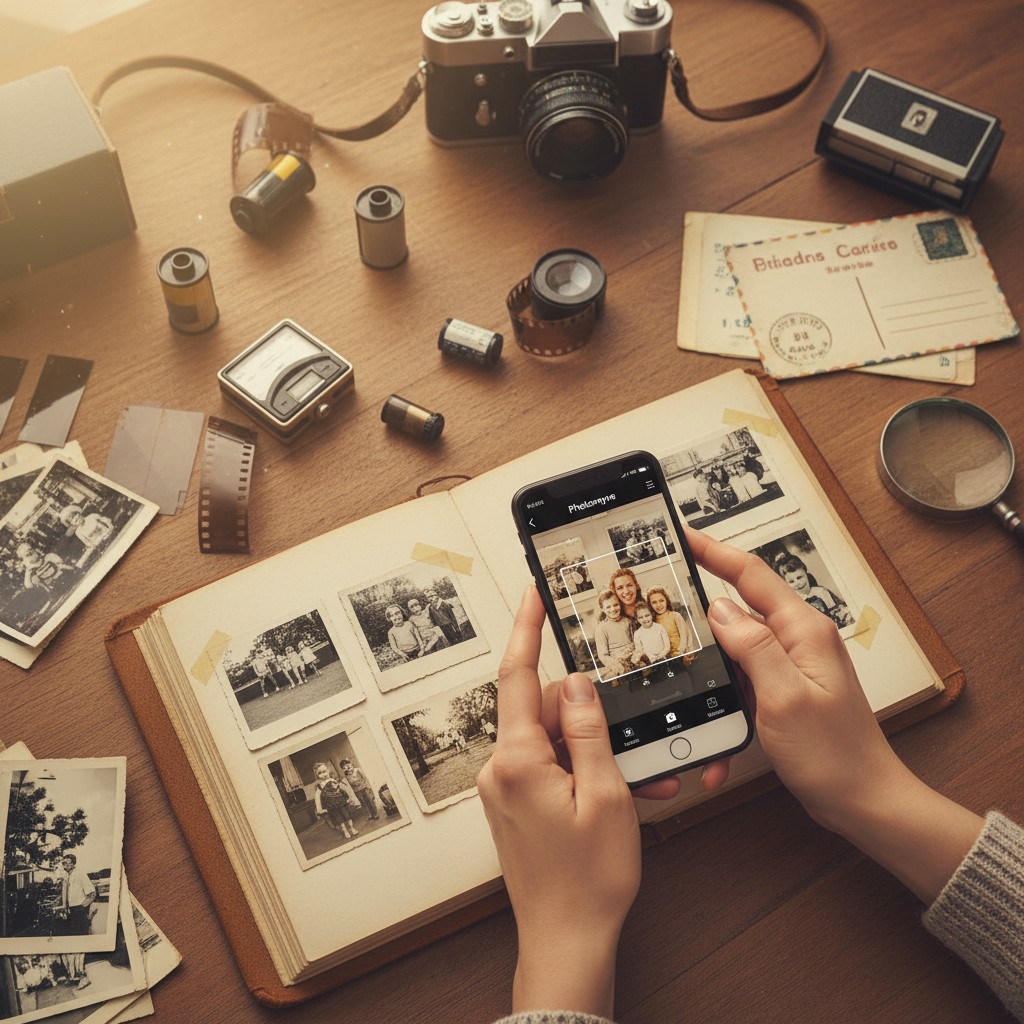
Thankfully, we don't have to choose between the convenience of digital and the nostalgia of film. We can now enjoy the best of both worlds. And that's where Photomyne comes in. This incredible app allows you to effortlessly scan your old photo albums and physical prints, transforming them into digital treasures that you can share, preserve, and enjoy for years to come.
Photomyne uses advanced AI technology to automatically detect and crop photos, saving you hours of manual work. It also enhances the image quality, restoring faded colors and removing imperfections. With Photomyne, you can finally bring your precious film photographs into the digital age, ensuring that your memories are safe, accessible, and ready to be shared with loved ones.
The Legacy of Film Photography
While digital photography has revolutionized the way we capture and share images, the legacy of film photography continues to resonate. It reminds us of a time when photography was a more deliberate and cherished art form. It reminds us of the importance of preserving our memories and sharing them with the people we love.
So, the next time you're scrolling through your digital photo library, take a moment to appreciate the journey that brought us here. And if you have a collection of old film photographs gathering dust, consider giving them a new life with Photomyne. You might be surprised at the treasures you rediscover.