
Published February 05, 2026
When Family Photos Are Scattered Across Households
Family photos are more than just pictures; they're portals to our past, tangible links to loved ones, and keepers of precious memories. But what happens when these treasures are scattered across multiple households? This is a common situation, especially in today's mobile and often geographically dispersed families. Navigating this can feel overwhelming, but with a bit of planning and communication, you can successfully gather, preserve, and share these invaluable pieces of your family history.
The Challenges of Scattered Photos
The challenges are numerous. You might have boxes of photos at your parents' house, albums at your siblings', and a few stray prints tucked away in your own home. This fragmentation makes it difficult to:
- Locate Specific Photos: Remembering who has what, and where, can be a logistical nightmare.
- Prevent Loss or Damage: Photos stored in different environments are exposed to varying levels of risk from temperature fluctuations, humidity, and accidental damage.
- Share Memories: Sharing photos with the entire family becomes a cumbersome process, often involving individual requests and physical copies.
- Create Cohesive Family Albums: Building a comprehensive family history is nearly impossible when the pieces are spread across different locations.
Strategies for Reclaiming Your Family's History
Overcoming these challenges requires a proactive approach. Here’s a step-by-step guide to help you reunite your scattered family photos:
- Initiate the Conversation: The first step is to talk to your family members. Reach out to siblings, parents, aunts, uncles, and cousins. Explain your desire to consolidate the family photo collection and gauge their willingness to participate.
- Create an Inventory: Before you start collecting, create a basic inventory. Ask each family member to list the types of photos they have (e.g., albums, loose prints, digital files) and their approximate quantity. This will help you understand the scope of the project.
- Designate a Central Hub (or Hubs): Decide where the photos will ultimately reside. This could be a physical location (e.g., your home, a shared family storage unit) or a digital platform (e.g., a shared cloud storage account). Consider a hybrid approach, with physical albums and digitized versions.
- Gather the Photos: Once you have a plan, start collecting the photos. This may involve physically retrieving them or asking family members to send them to you. Be prepared for a time-consuming process.
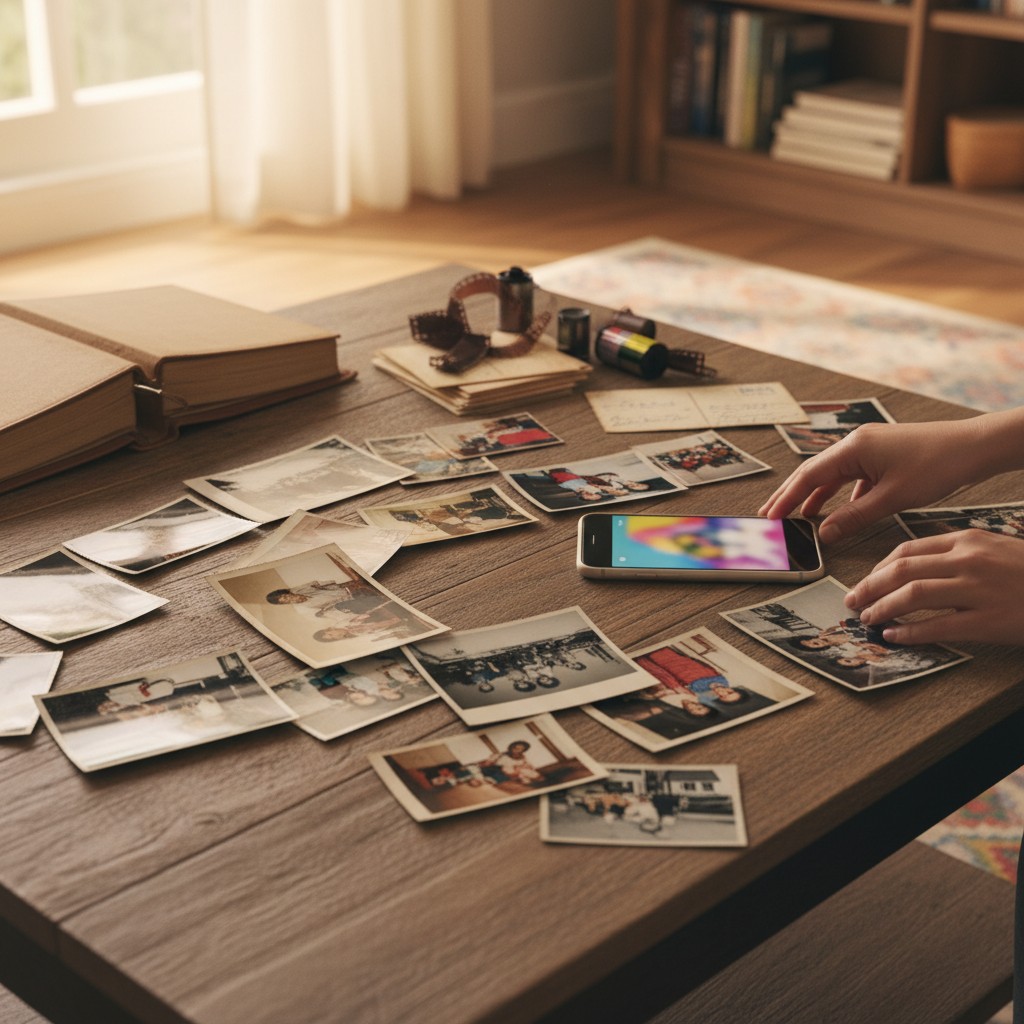
- Digitize Your Collection: This is a crucial step for preservation and sharing. Scanning photos allows you to create digital backups, which protect them from physical damage and make them easily accessible. You can use a flatbed scanner, a dedicated photo scanner, or even your smartphone.
- Organize and Label: Once digitized, organize your photos into albums or folders. Label them with dates, names, and any relevant information. This will make it easier to find and share specific photos later.
- Share and Enjoy: With your photos digitized and organized, it's time to share them with your family. Create a shared online album, send digital copies via email, or even print physical copies for those who prefer them.
Leveraging Technology for Photo Preservation
Technology can significantly simplify the process of digitizing and organizing your family photos. There are many scanning apps available that use your smartphone's camera to quickly and easily digitize prints. Consider using a service that offers automatic image enhancement and organization features.
For example, the Photomyne app has helped millions of users worldwide scan over half a billion images, providing a stable and scalable platform for preserving family memories.
The Rewards of Reuniting Your Family Photos
Reuniting your scattered family photos is a labor of love, but the rewards are immeasurable. You'll gain a deeper appreciation for your family history, strengthen connections with loved ones, and create a legacy for future generations. The process itself can be a bonding experience, as you reminisce and share stories together. So, take the first step today and begin the journey of reclaiming your family's precious memories.