
Published January 25, 2026
The Digital Dust Bunnies: Why Letting Old Media Sit Untouched is a Disaster
In the relentless march of technological advancement, we often find ourselves surrounded by relics of the past. These aren't ancient artifacts, mind you, but rather the physical manifestations of our memories: stacks of photographs, boxes of slides, dusty VHS tapes, and reels of film. While these items hold immense sentimental value, their very existence in an untouched state poses a significant threat. Ignoring these physical archives is not just a missed opportunity; it's a gamble against time, entropy, and the inevitable march towards digital oblivion. Let's delve into the myriad problems associated with letting old media sit untouched.
The Perils of Physical Degradation
The most immediate and obvious threat is the physical degradation of the media itself. Consider these specific examples:
- Photographs: Paper-based photographs are susceptible to a range of environmental factors. Sunlight causes fading, humidity breeds mold and mildew, and temperature fluctuations can warp and damage the paper. Over time, the colors bleed, the images become brittle, and the memories they hold begin to vanish.
- Slides and Negatives: These formats are particularly vulnerable. Slides can suffer from color shifts, scratches, and dust accumulation. Negatives, if not stored properly, can become sticky and adhere to each other, rendering them unusable. The chemicals used in their development are inherently unstable.
- VHS Tapes and Film Reels: Magnetic tapes are notoriously fragile. Over time, the magnetic particles that store the video and audio information begin to degrade, leading to picture and sound loss. Film reels are prone to scratches, tears, and warping, and the film itself can become brittle and break. The equipment to play these formats is also becoming increasingly rare and expensive to maintain.
The longer these items remain untouched, the more likely they are to succumb to these destructive forces. Procrastination in preserving these memories is essentially a race against their eventual disappearance.
The Technological Obsolescence Factor
Beyond physical decay, the technology required to access and view these old media formats is rapidly becoming obsolete. Consider the following:
- Film Projectors: Finding a working film projector, especially for older formats like 8mm or Super 8, is becoming increasingly difficult. Even if you do find one, the cost of maintenance and replacement parts can be prohibitive.
- Slide Projectors: Similar to film projectors, slide projectors are becoming relics of the past. Bulbs burn out, and finding replacements can be a challenge.
- VCRs and VHS Players: The market for VCRs is shrinking dramatically. Finding a working machine, let alone one that can handle the wear and tear of older tapes, is a significant hurdle.
- Software Compatibility: Even if you manage to digitize your old media, you may face compatibility issues with modern operating systems and software. Older file formats may not be supported, and you may need to invest in specialized software to view or edit the files.
The reliance on outdated technology creates a bottleneck, making it increasingly difficult to access and enjoy your memories. The longer you wait, the more likely you are to lose access to these precious moments.
The Risk of Loss and Disaster
Physical media is inherently vulnerable to a range of unforeseen disasters:
- Fire: A house fire can obliterate entire collections of photographs, slides, and videos in a matter of minutes.
- Flood: Water damage can be devastating to all types of physical media, causing irreparable damage.
- Theft: Valuable photographs and videos can be targets for theft, leading to the permanent loss of your memories.
- Natural Disasters: Earthquakes, hurricanes, and other natural disasters can easily destroy physical archives.
- Accidental Damage: Mishandling, improper storage, or simply the passage of time can lead to accidental damage, such as scratches, tears, or fading.
These risks underscore the importance of taking proactive steps to protect your memories. Digitizing your media creates a backup, allowing you to safeguard your precious moments against unforeseen events.
The Missed Opportunity for Sharing and Enjoyment
Letting your old media sit untouched is not just about the risk of loss; it's also about missing out on the opportunity to share and enjoy your memories. Consider the following:
- Sharing with Family and Friends: Digitized media can be easily shared with family and friends, regardless of their location. You can create online albums, share videos on social media, or simply email digital copies.
- Creating Family History: Digitized photographs and videos can be used to create family history projects, such as photo books, slideshows, and documentaries.
- Reliving Memories: Digitized media can be easily accessed and viewed on a variety of devices, allowing you to relive your memories whenever and wherever you want.
- Preserving Legacy: By digitizing your media, you are ensuring that your memories will be preserved for future generations.
By digitizing your old media, you are not only protecting your memories but also unlocking their potential for sharing, enjoyment, and legacy-building.
The Solution: Digitization and Preservation
The solution to the problem of letting old media sit untouched is clear: digitization and proper preservation. This involves converting your physical media into digital formats, which can then be stored, backed up, and shared easily. There are various methods for digitizing your media, ranging from DIY projects to professional services.
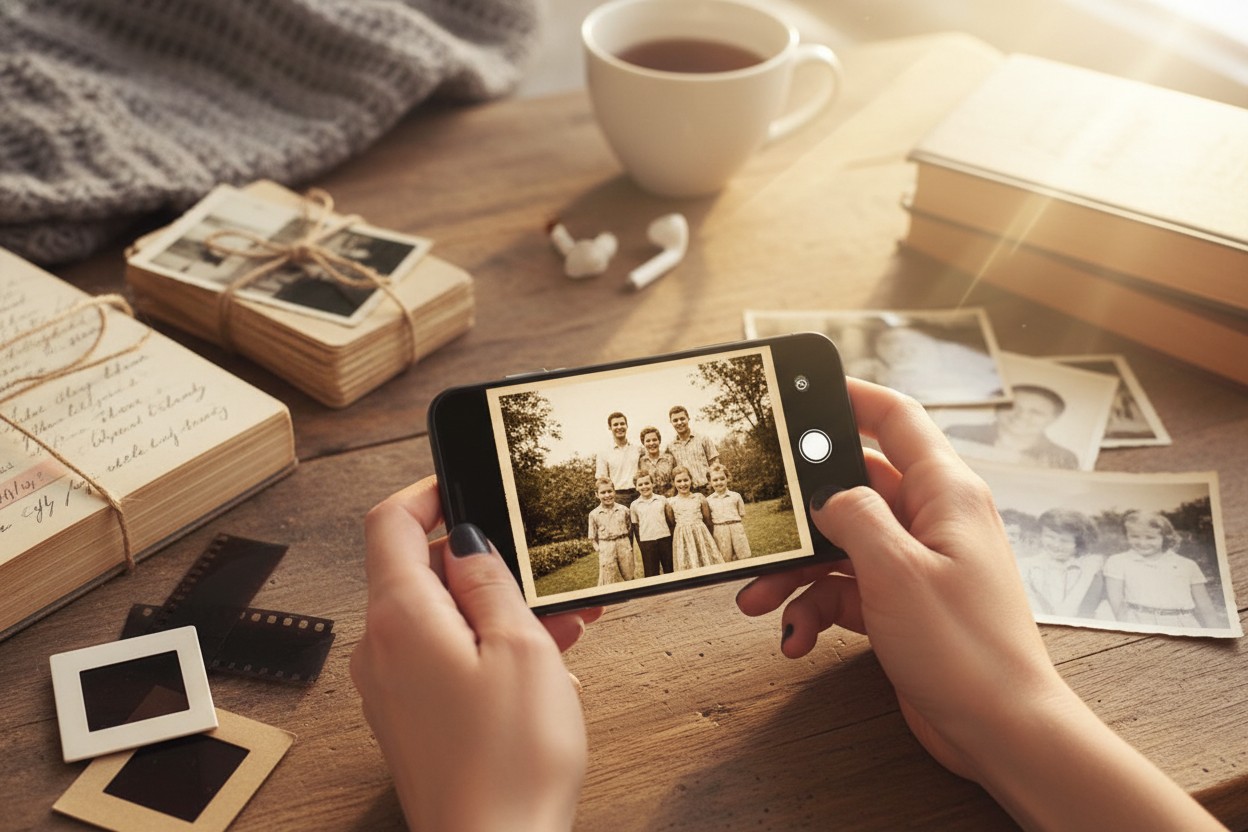
For photographs, slides, and negatives, one convenient and user-friendly option is the Photomyne app. The app uses advanced AI technology to automatically detect and scan multiple photos at once, crop them, and enhance their quality. It's incredibly easy to use, allowing you to quickly and efficiently digitize your entire photo collection. Photomyne also offers features for organizing, sharing, and backing up your photos, ensuring that your memories are safe and accessible for years to come.
For videos and film reels, you may need to utilize professional services or invest in specialized equipment. However, the investment is well worth it, as it ensures the preservation of your valuable memories.
Conclusion
The risks associated with letting old media sit untouched are significant and multifaceted. From physical degradation and technological obsolescence to the threat of loss and the missed opportunity for sharing, the consequences of inaction are dire. By taking proactive steps to digitize and preserve your memories, you can safeguard your precious moments, share them with loved ones, and ensure that your legacy lives on. Don't let your memories fade away; take action today and protect your digital future.