
Published February 05, 2026
Old Photos Can Change How You Remember the Past
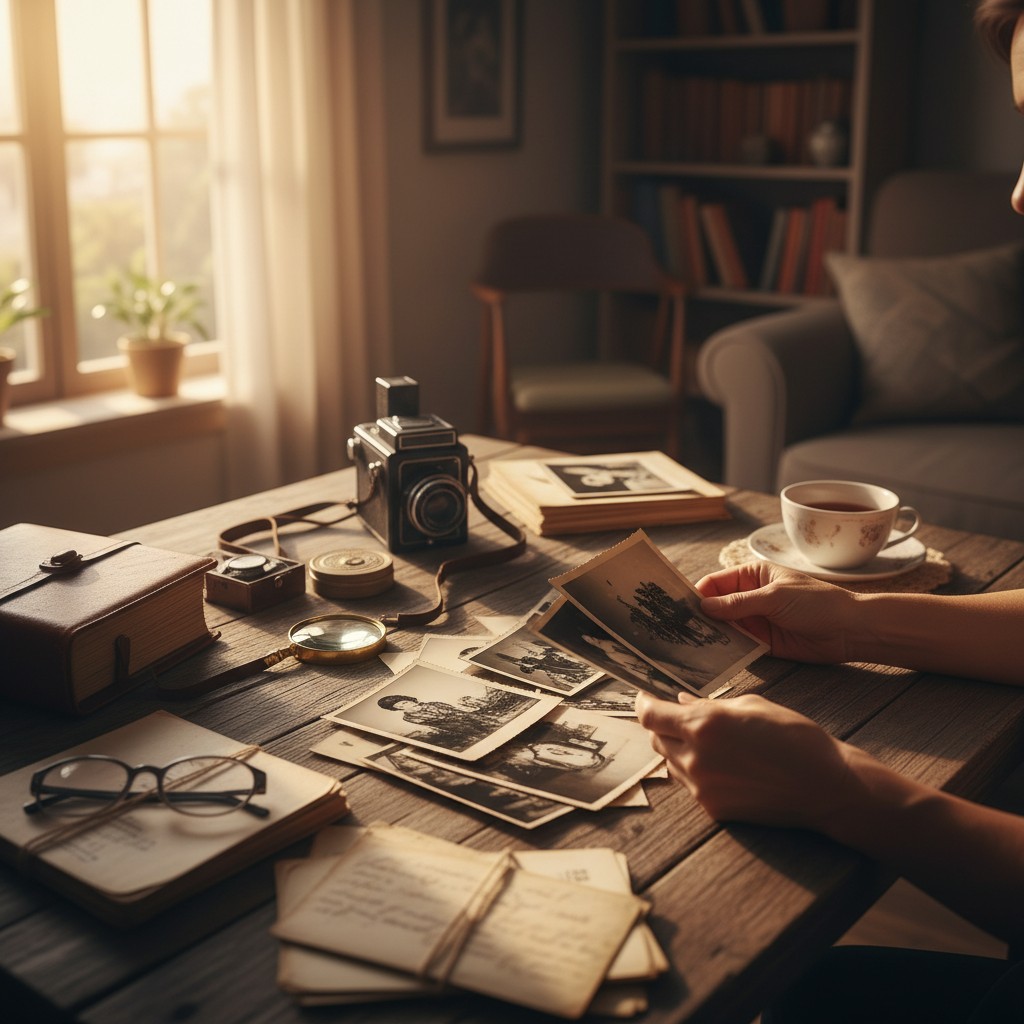
We all have memories. Some are vivid, etched in our minds with crystal clarity. Others are fuzzy, fading with time like watercolors left out in the sun. But what happens when we revisit those memories through the lens of old photographs? The answer is often surprising, and frequently transformative. Old photos don’t just show us what happened; they can fundamentally change how we remember the past.
The Power of Visual Cues
Our brains are wired to process visual information incredibly efficiently. A photograph, even a faded one, can instantly trigger a cascade of memories, emotions, and details that might otherwise remain buried. Think about it: a picture of your childhood home. Suddenly, you can almost smell the freshly cut grass, hear the distant laughter of your siblings, and feel the warmth of the sun on your face. These sensory experiences, sparked by a single image, can be far more powerful than any verbal recollection.
Photographs act as visual anchors, grounding our memories in specific moments and locations. They provide context, offering details that our brains might have forgotten or glossed over. The style of clothing, the architecture of a building, the expressions on people's faces – all these elements contribute to a richer, more complete understanding of the past.
Filling in the Gaps: Reconstructing Forgotten Details
Memory is a reconstructive process, not a perfect recording. We don't simply replay events in our minds; instead, we piece together fragments of information, filling in the gaps with assumptions, emotions, and the stories we've told ourselves over time. Old photos can be invaluable in this process, providing concrete evidence to challenge or refine our existing narratives.
Perhaps you remember a family vacation as a blur of sunshine and fun. A photograph, however, might reveal a grumpy expression on your face, a detail you'd completely forgotten. This new information doesn't necessarily invalidate your overall positive memory, but it adds nuance and complexity. It reminds you that even happy times have their moments of less-than-perfect bliss.
Similarly, a photograph can help you reconstruct details you've lost over time. Did your grandmother always wear a specific brooch? What color was your first car? These seemingly insignificant details can bring a forgotten era back to life, adding depth and authenticity to your recollections.
Family History and Shared Experiences
Old photos are particularly potent when it comes to family history. They offer a tangible connection to generations past, allowing us to see our ancestors as real people, with their own lives, loves, and experiences. Seeing a photo of your great-grandmother as a young woman, for example, can humanize her in a way that simply hearing stories about her never could.
These images can spark conversations, fostering a deeper understanding of family dynamics and shared experiences. They can be used to tell stories, to pass down traditions, and to create a sense of continuity across generations. Sharing these photos with family members can lead to lively discussions, revealing new perspectives and uncovering forgotten anecdotes.
The Emotional Impact
Beyond the factual details, old photos can evoke a powerful emotional response. They can trigger feelings of nostalgia, joy, sadness, and even a sense of longing. Seeing a picture of a loved one who has passed away can be both comforting and bittersweet. It can remind us of the special bond we shared and the lasting impact they had on our lives.
These emotional responses are a vital part of the memory process. They help us to process our experiences, to make sense of our past, and to connect with our present selves. The act of looking at old photos can be a form of self-reflection, allowing us to better understand who we are and where we came from.
Preserving and Sharing Your Memories
Given the profound impact old photos can have, it's crucial to preserve and share them. Digitizing your photos not only protects them from damage and deterioration but also makes them easily accessible to family and friends. This is where tools like the Photomyne app can be incredibly helpful. With millions of users and over half a billion images scanned, it provides a simple and stable way to quickly scan, organize, and share your precious photo memories.
Consider the following steps to ensure your photos continue to shape your memories for years to come:
- Scan and Digitize: Convert physical photos into digital formats to prevent fading and damage.
- Organize and Label: Create albums, add captions, and tag people to make your photos easily searchable and shareable.
- Share with Loved Ones: Share your photos with family and friends to spark conversations and preserve family history.
- Back Up Your Files: Create multiple backups of your digital photos to protect against data loss.
By taking these steps, you can ensure that your old photos continue to enrich your life and shape your understanding of the past. They are more than just pictures; they are windows into our history, our relationships, and our very selves.