
Published January 25, 2026
Old Cameras Created Photos We’re Still Trying to Save
The click of a shutter. The whir of film advancing. For generations, these sounds were the soundtrack to capturing memories. Before the digital revolution, photography was a delicate dance between light, chemistry, and the unwavering patience of the photographer. The cameras of yesteryear, from the boxy Brownies to the sleek Leicas, were more than just tools; they were instruments of history, capable of preserving fleeting moments in time. And the photographs they produced? Well, those are the treasures we're still striving to protect today.
A Legacy of Light and Shadow
The earliest cameras, cumbersome contraptions that required long exposure times, were the domain of the wealthy and the dedicated. Daguerreotypes, ambrotypes, and tintypes – each a unique process, each yielding a one-of-a-kind image. These early photographs, often portraits, offer a poignant glimpse into the past, capturing the faces and fashions of a bygone era. They were precious artifacts, carefully preserved and cherished.
The advent of roll film and smaller, more affordable cameras democratized photography. Suddenly, capturing family moments, vacations, and everyday life became accessible to the masses. Cameras like the Kodak Brownie, introduced in 1900, made photography simple and inexpensive. This accessibility fueled a surge in photographic activity, resulting in a vast and diverse collection of images that now represent a rich tapestry of human experience.
These photographs, however, were not immune to the ravages of time. The very materials that made them possible – paper, film, and the chemicals used in processing – are inherently unstable. Over the decades, these photographs have faced a multitude of threats: fading, yellowing, scratches, tears, and the insidious creep of mold and mildew. The challenges of preserving these precious memories are significant, requiring specialized knowledge and resources.
The Challenges of Preservation
The task of preserving old photographs is multifaceted. It begins with proper storage. Ideally, photographs should be kept in a cool, dry, and dark environment. Acid-free albums, archival-quality sleeves, and boxes are essential to protect them from environmental damage. But even with the best storage practices, time takes its toll.
Digitization is a crucial step in preserving these images. Scanning photographs creates a digital copy that can be backed up, shared, and even restored. However, scanning old photographs can be a time-consuming and often technically challenging process. The quality of the scan is dependent on the scanner, the lighting, and the skill of the operator. Furthermore, damaged photographs require careful handling and often necessitate specialized restoration techniques.
Many of these photographs are also fragile. Handling old prints can cause further damage. The need for professional restoration can be costly and time-consuming, making it difficult for many people to preserve their family history.
Modern Solutions for a Timeless Problem
Fortunately, technology has provided us with new tools to tackle the challenges of preserving old photographs. The rise of smartphones and user-friendly apps has made the process of digitizing and restoring old photos more accessible than ever before.
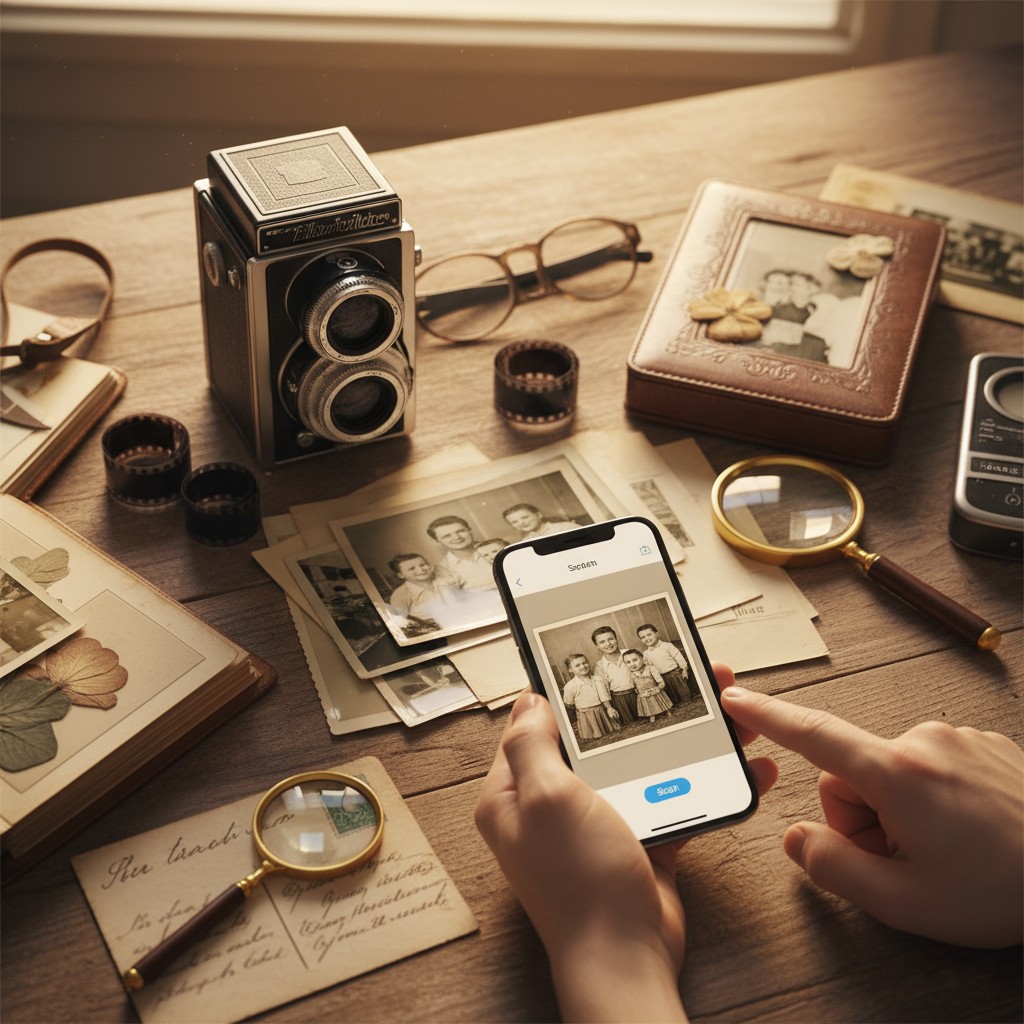
One such solution is the Photomyne app. This innovative app allows users to quickly and easily digitize their old photos using their smartphone camera. With its advanced image recognition technology, Photomyne automatically detects the edges of photos, crops them, and enhances their quality. The app can also group photos into albums and add captions, making it easy to organize and share your memories. Photomyne's intuitive interface and powerful features make it a valuable tool for anyone looking to preserve their photographic heritage.
Beyond Preservation: Sharing and Remembrance
Preserving old photographs is not just about safeguarding the past; it's about connecting with our roots, sharing our stories, and keeping memories alive. Digitized photographs can be shared with family and friends across the globe, sparking conversations and fostering a sense of connection. They can be incorporated into family history projects, creating a lasting legacy for future generations.
The old cameras that created these photos may be relics of a bygone era, but the memories they captured remain vibrant and relevant. By embracing the tools and technologies available to us, we can ensure that these precious images continue to tell their stories for years to come. The click of the shutter may be silent now, but the echoes of the past, preserved in these photographs, will continue to resonate.