
Published January 21, 2026
Modern Convenience Left Physical Memories Behind
The scent of aged paper, the crinkle of a photograph held between your fingers, the soft glow of a projector illuminating a faded screen – these were once the hallmarks of reliving the past. Now, a cold, smooth screen and a fleeting scroll have become the primary conduits to our memories. The shift is undeniable, a quiet tragedy played out in the digital age. We’ve traded the tangible for the easily accessible, the permanent for the ephemeral, and in doing so, perhaps lost something precious.
The Slow Fade of Physical Connection
Consider the family album. A cherished heirloom, passed down through generations, its pages filled with carefully curated moments. Each photograph, a physical testament to a specific time and place, a tangible link to loved ones, both present and past. The act of holding the album, turning the pages, and sharing stories around it was a ritual, a bonding experience. It was a way to connect with your roots, to understand your family history, and to feel the warmth of shared experiences.
Now, those albums often sit gathering dust, relics of a bygone era. The photographs, if not digitized, are vulnerable to the ravages of time – fading, yellowing, and ultimately, disappearing. The stories they hold, the emotions they evoke, risk being lost forever. The physical connection, the intimacy of holding a memory in your hands, is slowly fading away.
The Digital Divide: Accessibility vs. Preservation
The digital age, of course, offers unparalleled convenience. Photographs are easily shared, instantly accessible, and seemingly indestructible. We can store thousands of images on a single device, creating a vast archive of our lives. But this convenience comes at a cost. The digital realm is inherently fragile. Files can be corrupted, devices can be lost or damaged, and the very platforms that host our memories can become obsolete.
The act of viewing photos on a screen lacks the sensory richness of the physical experience. The tactile sensation, the subtle details, the imperfections that give a photograph its character – these are often lost in the digital translation. The immediacy of scrolling through a feed can diminish the emotional impact of a single image, turning cherished memories into fleeting glimpses.
The Longing for Tangible Remembrances
There's a deep-seated human need to connect with the past, to hold onto the threads of our history. We crave the tangible reminders of our lives, the objects that evoke powerful emotions and connect us to our loved ones. The digital world, while offering convenience, often falls short in fulfilling this fundamental need.
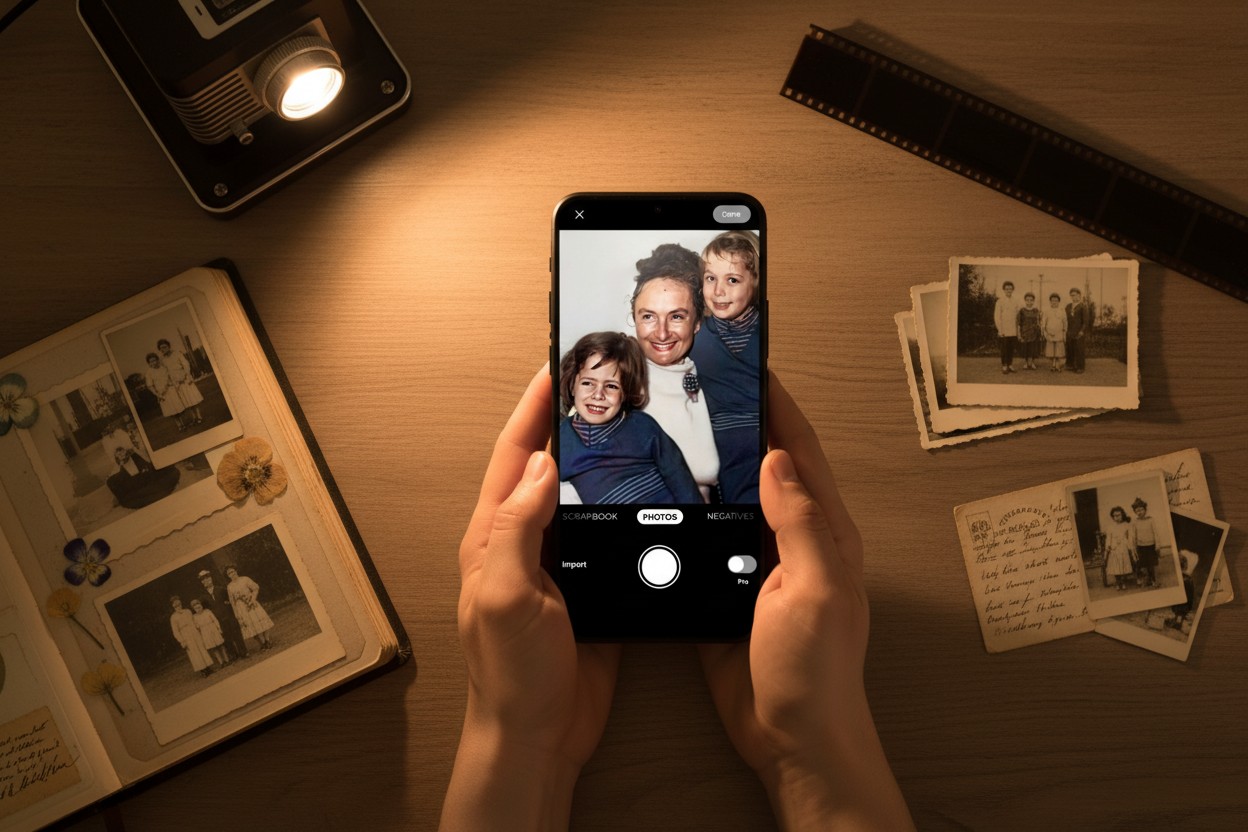
The good news is that it doesn’t have to be an either/or situation. We can embrace the benefits of the digital age while still preserving the richness of our physical memories. There are tools available to bridge the gap, to transform those forgotten photographs into a lasting legacy. For example, the Photomyne app. It allows you to quickly and easily scan your old photos, transforming them into high-quality digital images that you can then share, preserve, and even print. It's a simple yet powerful way to breathe new life into your family history, ensuring that those precious memories are not lost to time.
Reclaiming the Past, Preserving the Future
The challenge lies in finding a balance, in harnessing the power of technology to safeguard the tangible remnants of our past. We must actively seek ways to preserve our physical photographs, to digitize them, and to share them in a way that honors their significance. We must resist the temptation to let our memories fade into the digital ether, and instead, embrace the opportunity to create a lasting legacy for ourselves and future generations. The scent of aged paper and the warmth of shared stories should not become relics of a forgotten time; they are the threads that weave the fabric of our lives, and they deserve to be cherished and preserved.