
Published January 19, 2026
Digitized Photos Are Becoming the New Family Archive
For generations, family history resided in dusty albums, fragile shoeboxes overflowing with prints, and the fading memories of loved ones. These physical artifacts, while precious, were also vulnerable to the ravages of time, environmental damage, and the simple fact that they were difficult to share and preserve effectively. Today, a significant shift is underway: digitized photos are rapidly becoming the new standard for preserving and sharing family legacies, transforming the way we interact with our past.
The Imperative of Digital Preservation
The transition from physical to digital archives is driven by several compelling factors. Firstly, the inherent fragility of physical photographs necessitates a proactive approach to preservation. Paper-based prints are susceptible to fading, discoloration, tearing, and damage from moisture, light, and improper storage. Digitization offers a robust solution, creating a permanent, accessible backup that can be easily replicated and stored in multiple locations, safeguarding against loss.
Secondly, the accessibility of digital photos far surpasses that of their physical counterparts. Sharing a physical album often requires physically gathering people together. Digitized photos, on the other hand, can be shared instantly with family and friends across geographical boundaries, fostering a deeper connection to family history and allowing for collaborative storytelling. This accessibility is particularly crucial in an increasingly mobile and dispersed society.
Thirdly, digital archives offer unparalleled opportunities for organization and enhancement. Unlike the often-chaotic nature of physical collections, digital photos can be easily tagged, categorized, and annotated, making it easier to search, browse, and understand the context of each image. Furthermore, digital editing tools allow for the restoration of faded or damaged photos, breathing new life into cherished memories.
The Rise of User-Friendly Digitization Tools
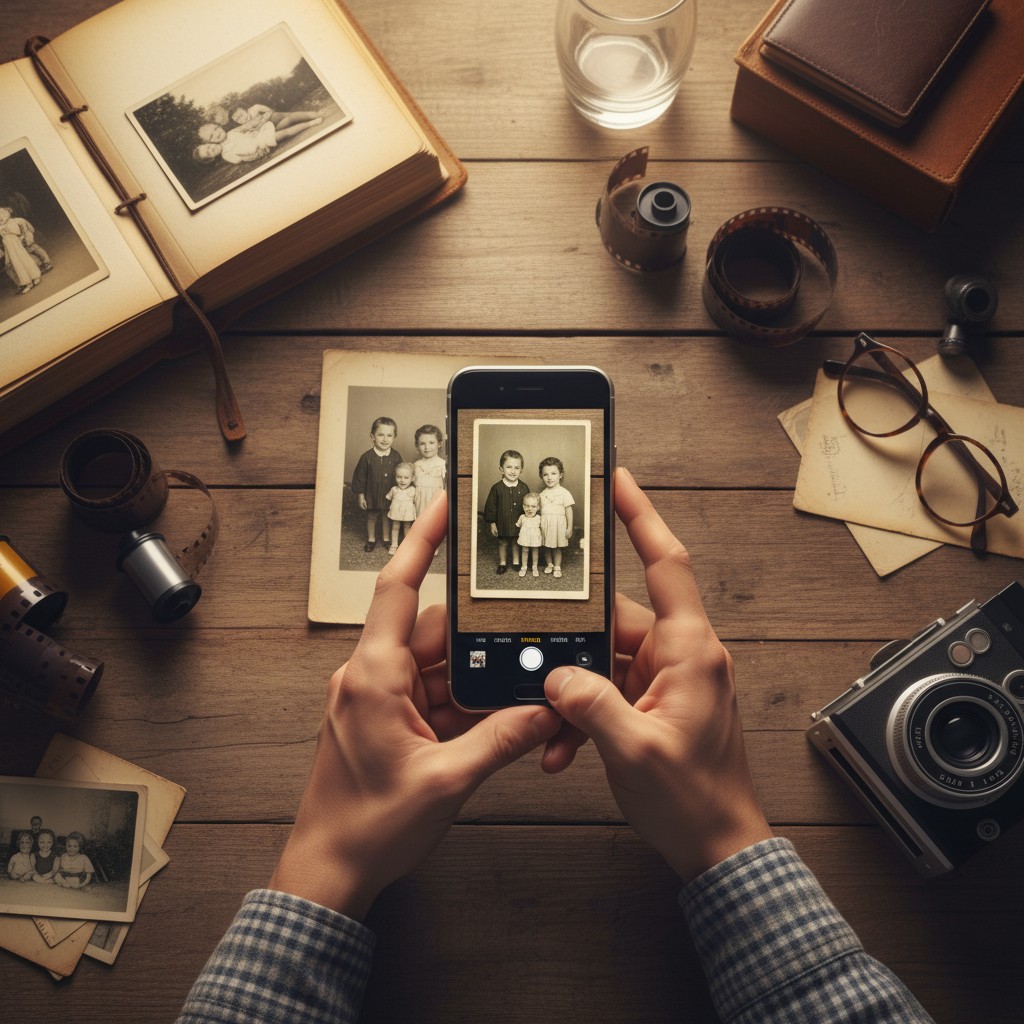
The process of digitizing photos was once a complex and time-consuming undertaking, requiring specialized equipment and technical expertise. However, advancements in technology have democratized the process, making it accessible to anyone with a smartphone or a scanner. Several methods are available for digitizing photos, each with its own advantages and disadvantages:
- Scanning: Traditional flatbed scanners offer high-resolution results, ideal for preserving fine details. However, scanning individual photos can be a time-consuming process.
- Smartphone Scanning: Mobile apps leverage smartphone cameras to quickly and easily scan photos. This method is convenient and efficient, making it ideal for large collections.
- Professional Scanning Services: For particularly valuable or fragile photos, professional scanning services offer specialized equipment and expertise to ensure optimal preservation.
The Photomyne Advantage
Among the various digitization options, smartphone scanning apps have emerged as a popular choice due to their convenience and ease of use. One standout app in this category is Photomyne. Photomyne simplifies the entire process, allowing users to scan multiple photos at once with its multi-shot capture feature. The app automatically detects photo boundaries, crops, and enhances images, saving users valuable time and effort. Furthermore, Photomyne offers robust organizational tools, including tagging, captioning, and the ability to create albums and share them with family and friends. The app’s intuitive interface and powerful features make it an excellent choice for anyone looking to create a comprehensive and accessible digital family archive.
Beyond Digitization: The Power of Storytelling
Digitizing photos is just the first step in creating a rich and engaging family archive. The true power of these digital collections lies in the ability to connect with the stories behind the images. By adding captions, dates, and names, and sharing these photos with family members, users can transform their digital archives into living, breathing narratives. This process fosters a deeper understanding of family history, strengthens intergenerational connections, and ensures that the memories of loved ones are preserved for future generations.
The Future of Family History
As technology continues to evolve, the digitization of family photos will only become more accessible and sophisticated. Artificial intelligence is already playing a role in automating the process of photo enhancement and organization, and cloud storage solutions are ensuring the long-term preservation of digital archives. The shift towards digital family archives is not just a technological trend; it's a cultural one. It represents a commitment to preserving the past, connecting with the present, and building a lasting legacy for the future. By embracing the power of digitization, families can ensure that their stories are not lost to time, but rather, are celebrated and shared for generations to come.